

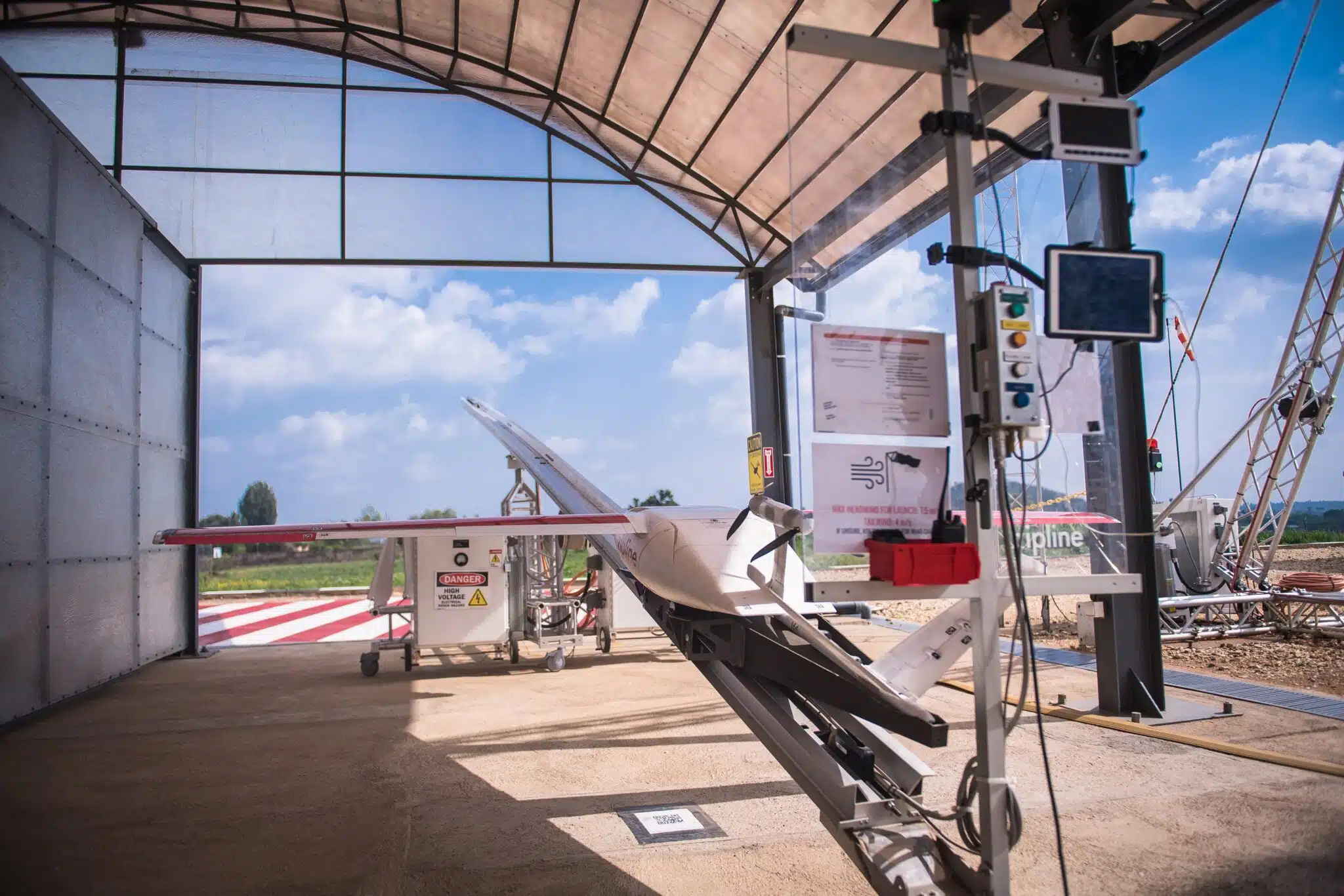
The U.S. Department of State has committed up to $150 million to fund an ambitious expansion of Zipline’s drone-based medical delivery network across Africa. This investment marks a pivotal shift in foreign assistance from traditional grants to outcome-driven, technology-enabled aid.
Under the new arrangement, funds will flow only once African governments sign contracts committing to long-term use of the service. This “pay-for-performance” structure aims to ensure sustainability rather than create a one-off intervention.
What the Funding Enables
With this injection, Zipline plans to triple the number of health facilities it serves from roughly 5,000 to as many as 15,000. The expansion could potentially grant up to 130 million people faster access to critical supplies like blood, vaccines, and essential medicines.
The funding will underwrite the creation of new drone hubs, procurement of equipment, and rollout of AI-driven logistics infrastructure across participating nations. Rather than relying solely on foreign aid, the model expects participating countries to pay for ongoing delivery services — a financing approach designed to foster ownership and affordability over the long haul.
Why This Matters for Healthcare in Africa
Since its launch in 2016, Zipline’s autonomous delivery system has logged millions of miles and completed over 1.8 million deliveries with zero safety incidents delivering blood, medicines and vaccines to remote clinics often unreachable by road.
Independent analyses show Zipline’s service reduces delays dramatically. In some areas, deliveries that previously took days now happen in under 30 minutes. Reports associate Zipline access with reductions in stockouts of essential medicines and vaccines, and significant improvements in overall immunization coverage.
For many remote and underserved communities, this kind of quick and reliable delivery can mean life or death faster access to blood for emergencies, vaccines to prevent outbreaks, and medicines when roads fail.
A New Model of Foreign Aid and Innovation
The funding deal signals a broader shift in how the U.S. approaches foreign-assistance: leveraging American robotics and autonomous-logistics technology to support health outcomes abroad. Observers call it a model blending innovation with practical results.
By requiring participating governments to commit to service contracts and ongoing payments, the model encourages shared responsibility and long-term sustainability rather than dependency. It also creates skilled jobs in Africa, because each new Zipline hub operates with local staff.
What Comes Next
Countries already served by Zipline including those with existing distribution centers stand to benefit most. The plan aims to extend delivery beyond rural areas into urban settings as well, increasing coverage and impact.
If this expansion succeeds, it could reshape how African health systems handle logistics. Rather than rely on unreliable road networks or limited supply-chain infrastructure, many nations could deliver essential care quickly, reliably and at scale. For millions of people, that could translate to fewer stockouts, faster emergency response and overall improved health outcomes.